Double glazing in Burnley: new windows, doors and replacement glass

Get your free quote

Answer a few questions about the job. It's free and there is no obligation.

About a minute. Free, no obligation.

What type of window and conservatory work do you need?

What type of property is it?

When do you want the work done?

What is your budget?

Anything else the tradesperson should know?

Where is the job and how can we reach you?

Misted windows, draughty frames, a back door that will not lock or a conservatory that is too cold to use? Describe the job in a few clicks and get a free, no-obligation quote from a glazing company near you.

  • Free quotes
  • No obligation
  • uPVC, aluminium, timber
  • Local installers

What is your glass costing you in heating?

Pick the glazing you have now and add up the area of glass. The bars show how much a year the glass lets out through the heating bill, for each kind of glazing.

Your windows now

Total area of glass

Measure the width and height of each window and add them up.

An example price for gas. Use the rate on your own bill.

    A guide built on typical U-values, a normal northern English heating season and a boiler that is 90% efficient. It counts the glass only: draughts through gaps come on top.

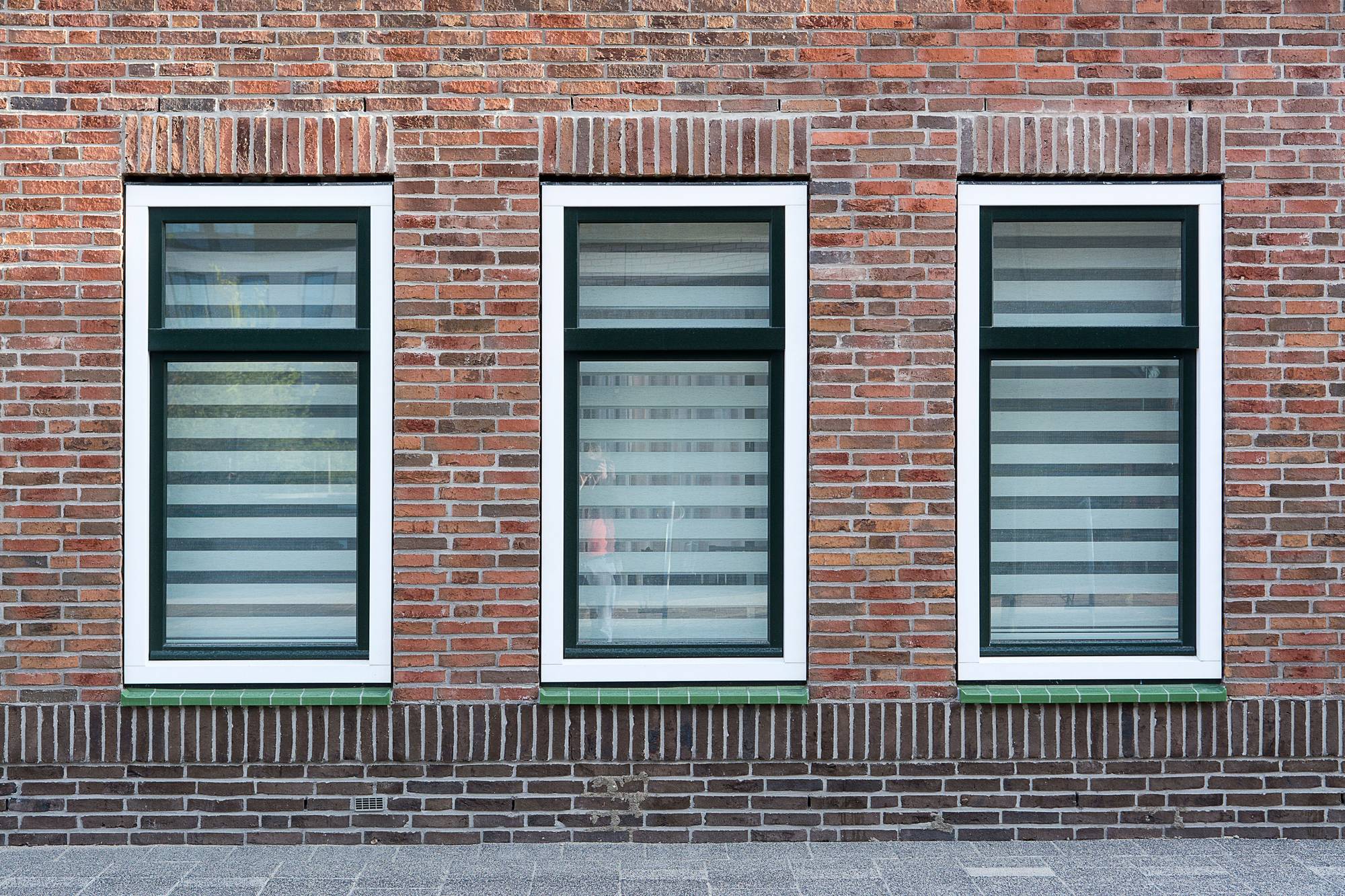
    Three white-framed windows set in a red brick wall
    The window you see from the street is the smallest part of the job

    Misted window: replace the glass or the whole window?

    Three questions. The answer tells you what to ask a glazing company to price.

    Where is the mist?

    What is the frame like?

    How old is the window?

    What is inside a double glazed unit

    Two panes of glass look much the same as one. The difference is in what sits between them and round the edge.
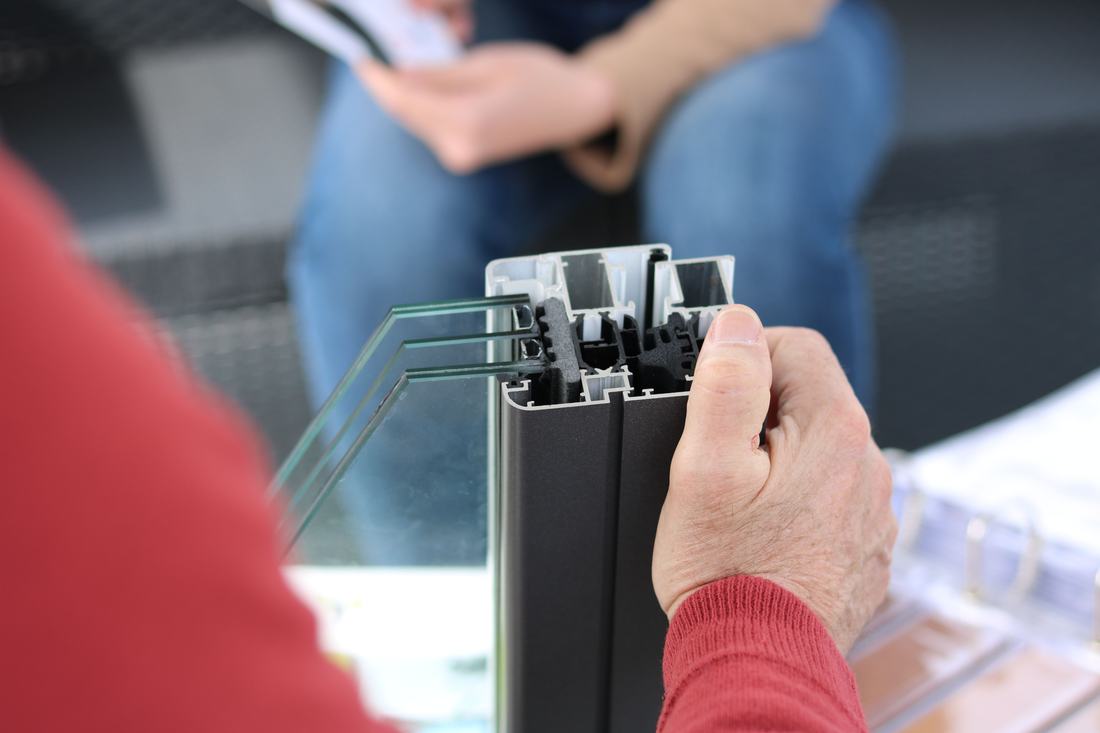
    A hand holding a cut sample of a window frame and glass unit
    A cut sample shows the layers: glass, cavity and the chambers of the frame.
    Two panes of glass
    Usually 4 mm each. The gap between them is what slows the heat down.
    Spacer bar
    Holds the panes apart and carries the seal. A warm-edge spacer is made of a material that conducts less heat than aluminium, so the edge of the glass stays warmer.
    The cavity gas
    Argon is common. It conducts less heat than air and is sealed in at the factory.
    Low-E coating
    A thin, invisible metal coating on one pane that sends heat back into the room. It is the biggest single gain in a modern unit.
    The seals
    Two layers of sealant round the edge. When they fail, moisture gets in and the unit mists between the panes.
    The frame chambers
    A uPVC frame is hollow, divided into several chambers. More chambers slow the heat down more and the frame is stiffer.

    uPVC, aluminium or timber?

    The frame decides how a window looks, how much care it needs and what it costs. The glass works the same in all of them.

    uPVCThe most common choice for homes

    Low maintenance, wipe clean, and the least expensive of the three. White is standard, and foil-wrapped colours such as anthracite grey and woodgrain cost more. A well-made frame lasts for decades, but cheap ones can warp or yellow.

    AluminiumSlim frames, larger panes

    Strong enough to hold bigger sheets of glass in thinner frames, which means more light. Costs more than uPVC and usually has a thermal break, a plastic strip that stops the metal carrying the cold through.

    Timber and compositeFor period character

    Real wood or a wood-and-aluminium mix looks right in older homes and in conservation areas. It needs paint or stain over the years, and it is the most expensive of the three.

    How to read a window quote

    An example layout with the lines a good written quote should have. The numbers match the notes on the right.

    Quote for glazing work

    Example layout only, with no real prices.

    1. 1Supply and fit 6 uPVC casement windows, white
    2. 2Glass: 28 mm sealed units, low-E, argon, warm-edge spacer
    3. 3Remove and dispose of old windows
    4. 4Make good inside and out, silicone seal
    5. 5FENSA or CERTASS certificate
    6. 610-year guarantee, deposit protected
    7. 7Total including VAT
    1. What is being fitted: how many, which type, which colour and which opening style. If a line says only "windows", ask.
    2. The glass specification, and ideally the energy rating or U-value of the whole window.
    3. Taking the old frames away should be in the price, not an extra on the day.
    4. What happens to the plaster and the outside reveals. Decorating is often left out, so ask.
    5. A certificate that the work meets the Building Regulations. You need it when you sell the house.
    6. How long the guarantee runs, who stands behind it if the company stops trading, and whether the deposit is insured.
    7. The full price with VAT, how much is paid up front and when the rest is due.

    From the survey to the certificate

    1. SurveySomeone visits and measures every opening. Each window is measured on its own, since old frames are rarely square.
    2. OrderThe frames and glass are made to your measurements. This takes a few weeks, and the date should be written on the quote.
    3. FittingA small house is often done in a day or two. The old frames come out, the new ones go in and are sealed inside and out.
    4. CertificateThe installer registers the work with its scheme and you receive the certificate, with the guarantee.

    Burnley and the towns around it

    Areas by postcode district. Type your postcode into the quote form to check yours.

    BB10Burnley east and the hillsBurnley LaneReedleyClivigerWorsthorne
    BB11Burnley townBurnley town centreBurnley WoodHapton
    BB12Padiham and Burnley westStoneyholmePadihamHighamFenceRead
    BB9Pendle townsBrierfieldNelsonBarrowford
    BB8Colne and TrawdenColneTrawden
    BB4 to BB7Further outAccringtonGreat HarwoodHaslingdenRawtenstallWhalleyClitheroe

    Frequently asked questions

    Do I need planning permission to replace my windows?
    Usually not for a house, as long as the new windows look like the old ones. In a conservation area, on a listed building or where an Article 4 direction applies, permission may be needed. Burnley Borough Council's planning team can tell you whether your street is covered.
    How long does double glazing last?
    A good uPVC window often lasts 20 to 25 years or more. The sealed unit is usually the first part to fail, which is why the guarantee on the glass matters.
    Does the installer have to be registered?
    New windows in England must meet the Building Regulations. An installer registered with a scheme such as FENSA or CERTASS can certify its own work. Otherwise the work has to be passed by Building Control, which costs more.
    Will new windows stop condensation?
    On the room side, condensation comes from humid air meeting a cold surface. Warmer glass helps, but drying washing indoors and cooking without a fan add moisture, so trickle vents and extraction still matter. Mist between the panes is a different fault: the seal has failed.
    What is the difference between A-rated and a standard window?
    The British Fenestration Rating Council gives windows a rating from A++ to E according to how much heat they lose, how much sun they let in and how much air leaks through. A-rated is a good, current standard.
    Can I just replace the glass in my window?
    Yes, if the frame is still in good shape. A sealed unit can be swapped for a new one, which costs less than a whole new window. If the frame is rotten, warped or draughty, a new window is usually the better repair.

    Contact us

    Thank you, your message has been sent.

    Double glazing in Burnley?

    Get a free quote, with no obligation.

    Get my free quote